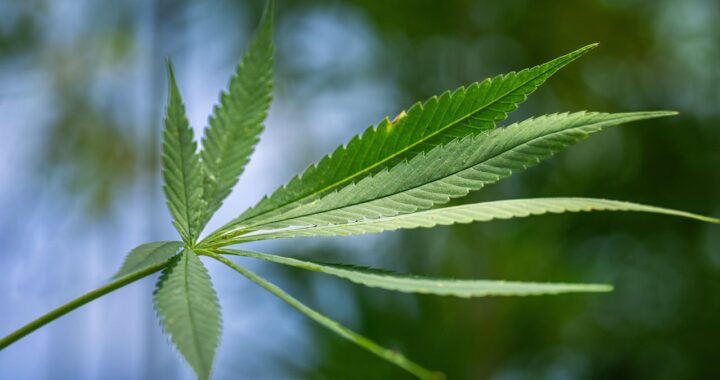
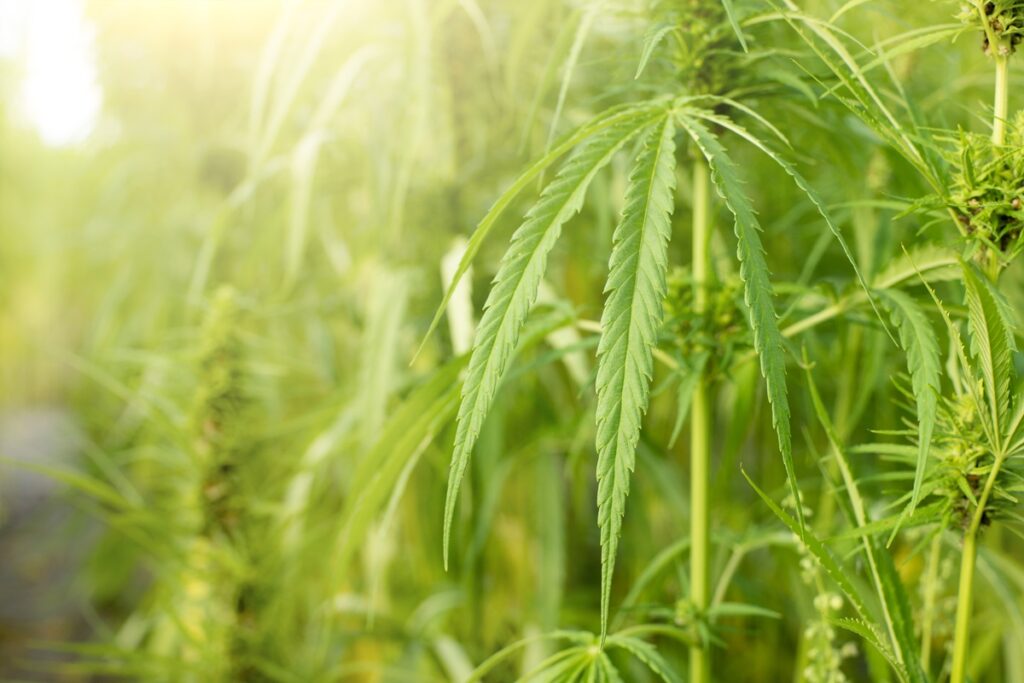
Hemp has emerged as a powerful natural resource that is reshaping the health and wellness industry. Once misunderstood and often associated with restrictions, hemp is now widely recognized for its versatility and sustainable nature. Hemp is a variety of the Cannabis sativa plant with very low levels of THC, which is why it can be used in a wide range of consumer products. Its growing popularity is driven by increasing consumer awareness and a global shift toward natural and plant-based solutions.
One of the key ways hemp is transforming the industry is through its use in wellness products such as oils, capsules, creams, and dietary supplements. Hemp-derived CBD, in particular, has drawn research interest in areas such as stress and sleep, although human evidence is still limited and CBD is not approved to treat these conditions. In the U.S., the FDA has also concluded that CBD products are excluded from the dietary supplement definition. Even so, many consumers are drawn to hemp-based products as part of a plant-based lifestyle.
In addition to mental wellness, hemp is also playing a significant role in physical health. It is rich in essential nutrients, including omega-3 and omega-6 fatty acids, which are an important part of a balanced diet. Hemp seeds, oil, and protein powders are increasingly incorporated into daily diets, offering a natural way to enhance nutrition. This has led to a surge in demand within the functional food and beverage sector, where consumers are actively seeking healthier options.
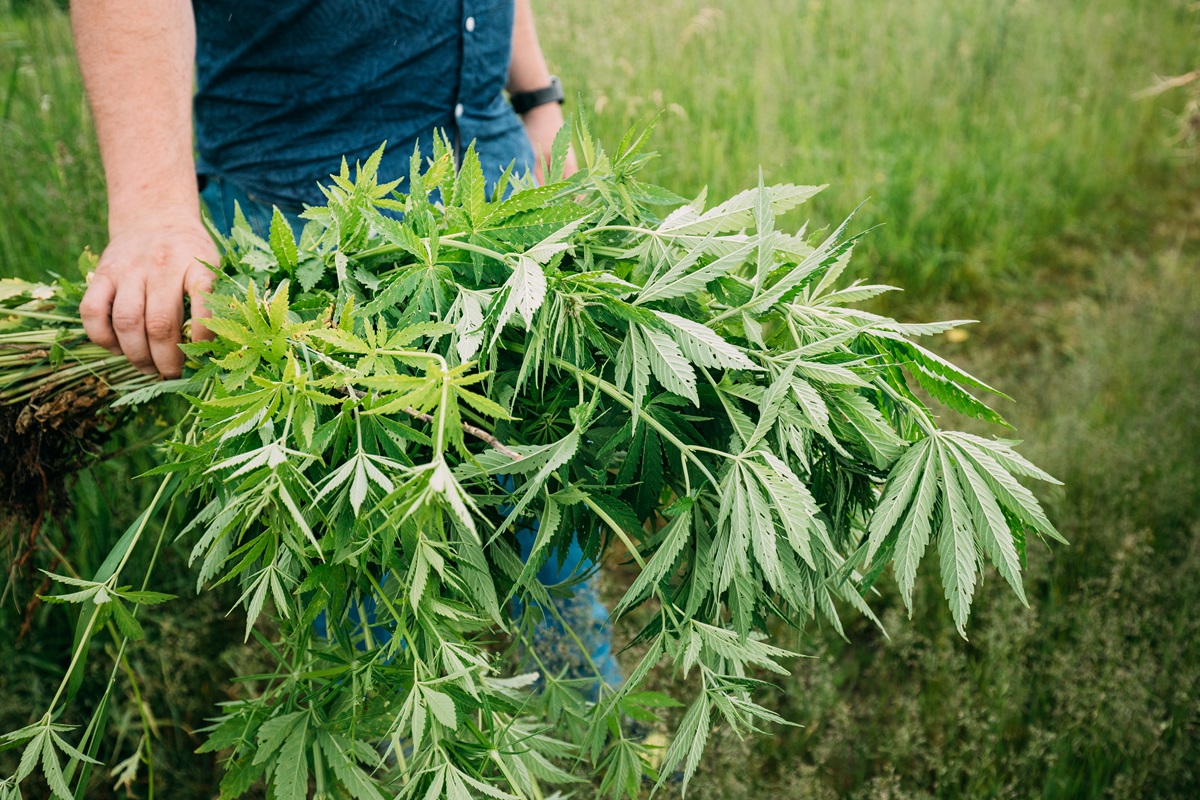
The skincare industry has also embraced hemp, particularly hemp seed oil, as a moisturizing ingredient. Hemp-infused skincare products are widely marketed for dry or sensitive skin. Its gentle nature makes it suitable for sensitive skin, further expanding its appeal among a diverse consumer base. As clean beauty trends continue to rise, hemp-based formulations are becoming a staple in many skincare routines.
Moreover, hemp contributes to sustainability, which is another factor driving its growth in the wellness market. The plant grows quickly and fits well into crop rotations, which is a big part of why it is promoted as an environmentally friendly crop. This aligns with the values of modern consumers who are increasingly prioritizing eco-conscious products.
The evolving regulatory landscape has also played a crucial role in hemp’s expansion. Many governments have relaxed restrictions on hemp and set clearer guidelines, giving businesses more confidence to invest. The picture is not one-directional, though: in the U.S., a federal law signed in November 2025 narrows the definition of hemp starting November 2026, excluding most intoxicating hemp-derived THC products. This has led to increased research, improved product quality, and broader market availability.
In conclusion, hemp is significantly transforming the health and wellness industry by offering natural and sustainable options. Its versatility across various sectors, including nutrition, skincare, and personal care, highlights its potential as a long-term contributor to modern wellness practices. As research continues and awareness grows, hemp is set to remain a key player in shaping the future of health and wellness.