
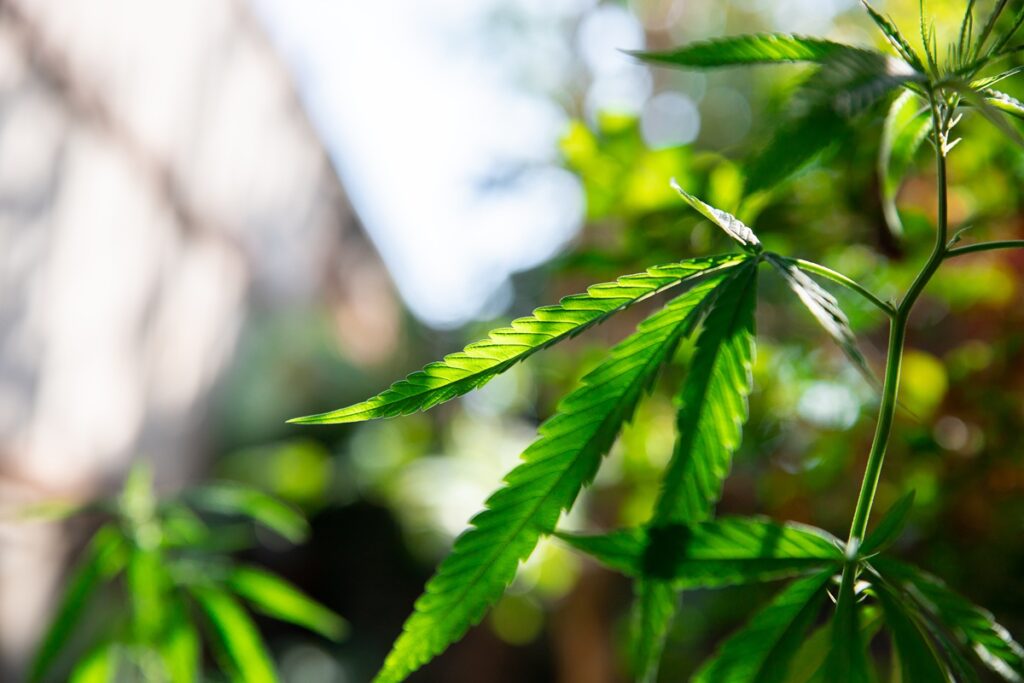
Cannabidiol, commonly known as CBD, has gained widespread attention for its potential health benefits and its role in supporting overall well-being. Unlike THC, the psychoactive compound found in cannabis, CBD does not produce a “high.” Instead, it interacts with the body in more subtle ways, which is a big part of why it has drawn so much research interest.
The human body contains a complex network known as the endocannabinoid system (ECS), which plays a vital role in maintaining balance, or homeostasis. This system is responsible for regulating various functions, including mood, sleep, appetite, pain sensation, and immune response. The ECS consists of receptors, enzymes, and endocannabinoids that work together to ensure the body functions optimally.
CBD’s relationship with this system is more indirect than THC’s. It has low binding affinity for the two main cannabinoid receptors, CB1 and CB2, and does not activate them the way THC does. Researchers have identified a range of other targets, including serotonin receptors and enzymes that break down the body’s own endocannabinoids, but studies are still working out what these interactions mean in people.
Stress, mood, and sleep are among the most studied areas. Laboratory work shows CBD interacts with serotonin receptors in the brain, and researchers are investigating whether that translates into effects on mood or sleep in people. So far the human evidence is limited and mixed, and CBD is not approved to treat anxiety or sleep disorders.
Inflammation and pain are another active research area. Animal and laboratory studies suggest CBD interacts with immune system signaling, and some athletes and active people use CBD products as part of their recovery routine, but well-controlled human trials are still limited and CBD is not an approved pain treatment.
Furthermore, CBD’s potential neuroprotective properties have sparked interest in scientific research. Studies are exploring its role in supporting brain health and its potential applications in neurological conditions. Outside of the prescription drug Epidiolex, which the FDA has approved for certain rare seizure disorders, these applications remain under investigation.
It is important to note that the effectiveness of CBD can vary depending on factors such as dosage, product quality, and individual body chemistry. As the market continues to grow, consumers are encouraged to choose high-quality, lab-tested products with a certificate of analysis, so they know what is actually in the product.
In summary, CBD interacts with the endocannabinoid system and several other targets in the body, and researchers are still mapping what those interactions mean for health. Ongoing scientific research has made CBD one of the most closely watched compounds in modern wellness. As understanding deepens, CBD is likely to play an even more significant role in the future of holistic health.